Forestry Mulching
Turn brush, saplings, and unwanted vegetation into mulch that stays on the ground.
Forestry MulchingHome › Services › Grading & Sitework
Coordinate the ground with the purpose it needs to serve next.
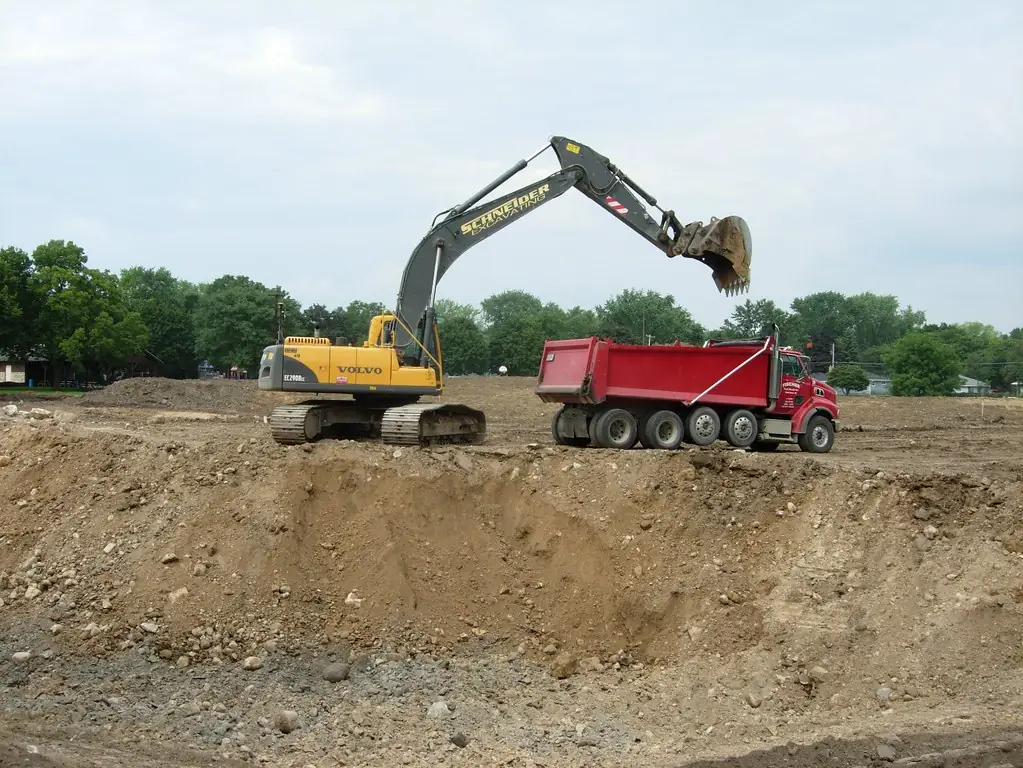
Ground Force Land Solutions lists grading and sitework among its primary advertised services. The client’s onboarding description frames the purpose as shaping and preparing property for drainage, construction, access, and future use. Each of those outcomes requires a defined work area and an agreed finish. “Make it level” or “fix the water” is not enough information for a reliable scope.
Start by explaining what the area needs to support and what problem exists now. Identify access points, nearby structures, known utilities, existing drainage features, and where work must stop. If the grading follows clearing or comes before construction, share the sequence and any available project information. Ground Force Land Solutions can discuss grading alongside land clearing, homesite and lot clearing, drainage, and excavation so the estimate reflects the tasks actually requested.
Drainage is listed as an additional service in the onboarding form. Water behavior depends on actual conditions, and a website cannot diagnose a property. The site review should focus on the observed concern, the work area, known discharge constraints, existing improvements, and the outcome the owner is requesting. The estimate should say what work is proposed without promising a result that has not been evaluated.
Property owners should disclose known private utilities, septic components, buried lines, and previous drainage work. They should also identify boundaries and anything that must remain. Some projects may involve information or approvals beyond the contractor’s scope; those responsibilities belong in the project documents. Ground Force Land Solutions is insured, but insurance is not a substitute for clear planning and marked site conditions.
No fixed grading or sitework price was verified. The onboarding call referenced a six- to eight-hour local minimum commonly ranging from $1,800 to $2,500 and a 50% deposit. It also noted that travel beyond the local area may be handled differently. Access, terrain, material needs, work area, travel, equipment time, and the requested finish can all affect a project estimate.
Ask for a written scope that describes the work area, planned sequence, owner responsibilities, and expected handoff. If drainage, excavation, clearing, or material movement is included, it should be stated. If it is excluded, that should be clear as well. This keeps the estimate useful and helps the owner plan the next contractor or construction phase.
Terms such as smooth, level, drained, or ready can mean different things to different people. Before work begins, translate the requested outcome into a clear description of the area and task. Note where shaping is proposed, what access must be maintained, what known features must be protected, and whether imported or removed material is part of the estimate. If elevations, engineered plans, permits, or third-party approvals are required, confirm who will provide them; those professional services were not verified as Ground Force Land Solutions offerings.
After the scope is drafted, review how clearing and grading interact. Vegetation, stumps, loose organic material, hidden debris, and soft conditions may affect the sequence. The estimate should not imply that every drainage or construction concern can be solved by machine time alone. It should identify the work Ground Force Land Solutions proposes, the information supplied by the owner, and the condition expected when that defined phase is complete. Before scheduling, confirm whether the proposed phase is clearing, shaping, drainage work, excavation, or a combination. Naming the phase helps keep pricing and handoff expectations aligned.
The client lists drainage, construction, access, and future property use as goals for grading and sitework.
Drainage is included in the client’s service intake. A site review is needed to define the concern and proposed scope.
The estimate depends on access, terrain, work area, material needs, travel, equipment time, project sequence, and requested finish.
Call (513) 259-6027 with the location, current conditions, access, approximate work area, and intended use.
Request an Estimate