How to Prepare for a Land Clearing or Sitework Estimate
Home › Blog › How to Prepare for a Land Clearing or Sitework Estimate
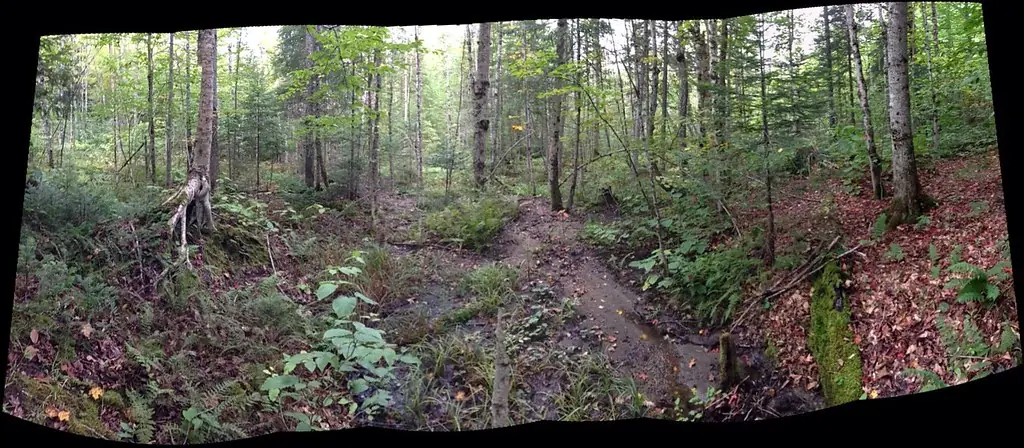
A clear property goal and marked constraints lead to a more useful scope than a rough acreage number alone.
Describe what the property needs to become
Start with the end use. Ground Force Land Solutions’ intake names homes, barns, shops, driveways, drainage, construction, access, trails, field edges, fence lines, and maintainable acreage as examples of what may come next. Each goal can change the method and finish.
Instead of asking only to “clear the lot,” explain whether the area should be mulched, conventionally cleared, opened for access, prepared for grading, or coordinated with a future build. The contractor still needs to inspect conditions, but a defined goal keeps the estimate focused on an outcome rather than a vague amount of machine time.
Identify the work boundary
Mark where work begins and ends. Property lines, retained trees, fences, gardens, structures, and protected areas should not be left to memory or a quick verbal instruction. If the precise boundary is uncertain, resolve that before equipment is sent into the area.
A map, survey, stakes, flags, or an on-site walkthrough can help communicate the intended area, but project documents should state who is responsible for boundary accuracy. The website cannot assign that responsibility for every job. The goal is to prevent the work area and the property line from being treated as the same thing without confirmation.
List utilities, septic, drainage, and improvements
Disclose known private utilities, septic components, wells, drainage features, buried lines, gates, driveways, fences, nearby structures, and previous sitework. Public utility-marking services may not identify every private feature on a property, so owners should not assume that everything underground has been located.
Also explain where water is currently observed and whether drainage is part of the request. Ground Force Land Solutions lists drainage among its services, but drainage concerns are site-specific. The estimate should describe proposed work rather than offering a broad result without reviewing the property.
Explain access and current conditions
Equipment access affects planning. Share gate widths, surface conditions, soft areas, slopes, tight turns, overhead concerns, and distance from the road to the work area. Describe the vegetation and ground as accurately as possible and provide recent photos when available. Photos help with the first conversation but do not replace a site review when one is needed.
If the project is far from Loveland, say so at the start. Travel beyond the local area may be priced differently. Clear location information helps the company decide fit before either side spends time on a detailed visit.
Ask what the estimate includes
A useful estimate should identify the work area, method, material handling, project sequence, exclusions, owner responsibilities, requested finish, and payment schedule. If forestry mulching, conventional clearing, grading, drainage, excavation, tree services, or homesite preparation are discussed, confirm which are actually included.
Local work commonly uses a six- to eight-hour minimum in the $1,800 to $2,500 range and a 50% deposit. Treat that as planning information, not a universal quote. Access, terrain, density, travel, material handling, and the finish can change the written proposal.
Review payment, timing, and change control. Before accepting the estimate, confirm the deposit and when the balance is due. Ground Force Land Solutions stated a 50% deposit policy, but the project documents should contain the actual amount and payment timing. Ask how scheduling is confirmed and how weather, access, hidden debris, soft ground, or another changed condition will be communicated.
A changed condition does not automatically define a changed price. The parties should document additional work before it proceeds whenever practical. Keep the approved estimate, maps, photos, and written changes together. This is especially useful on multi-phase properties where later grading, drainage, excavation, or tree work may be discussed during the first visit but not included in the first price.
Use the site review to remove assumptions
Walk the proposed area when requested and point out anything that does not show clearly in a map or photo. Ask what will remain at handoff and what must happen in a later phase. If conditions change after the estimate, document any scope change before extra work proceeds.
Ground Force Land Solutions is based in Loveland and serves Southern Ohio and Appalachia. Call (513) 993-6088 with the property location, current condition, access, approximate work area, and intended use. The more clearly those facts are shared, the more useful the estimate can be.
What does your property need to become?
Call (513) 993-6088 with the location, current conditions, access, approximate work area, and intended use.
Request an Estimate