Planning Homesite and Lot Clearing Before the Next Phase
Home › Blog › Planning Homesite and Lot Clearing Before the Next Phase
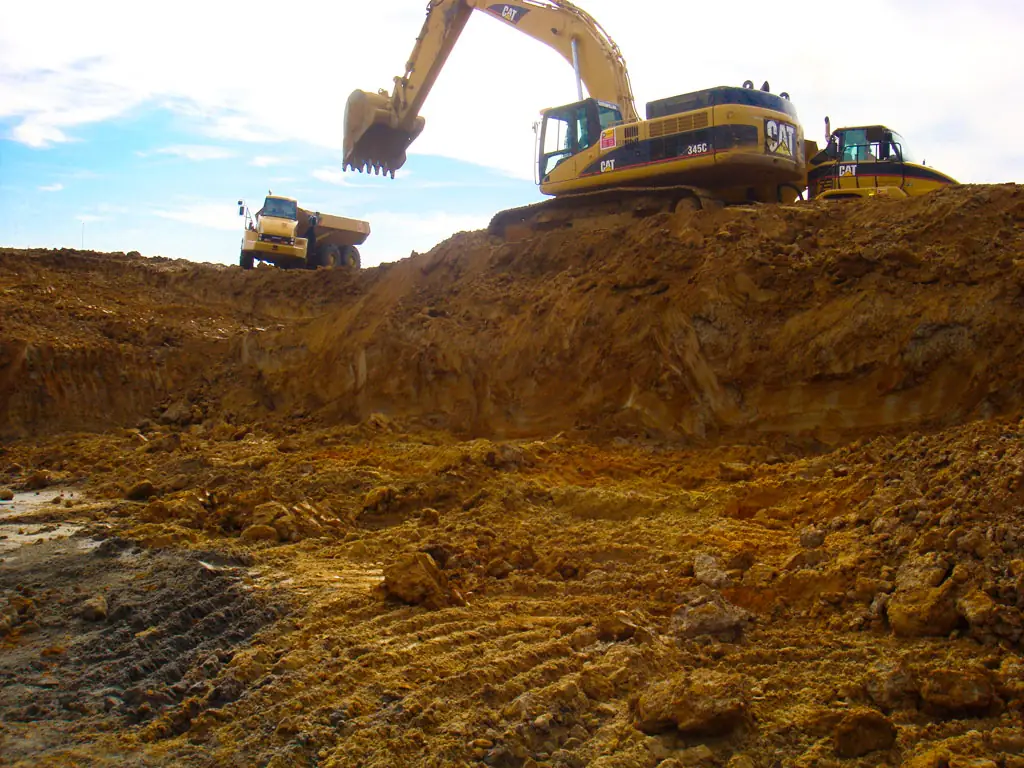
Lot clearing works best when the clearing boundary and the next contractor’s needs are understood before equipment arrives.
Begin with the planned use
Ground Force provides homesite and lot clearing for homes, barns, shops, driveways, and other planned projects. The purpose matters because it determines what needs to be opened, what should remain, and what kind of handoff is useful.
Gather whatever reliable project information already exists. That may include a proposed layout, identified access, a survey, or guidance from the professional responsible for the next phase. Do not ask the clearing contractor to guess where a future structure or drive belongs. The clearing scope should follow the plan that the owner has approved through the appropriate process.
Define the clearing area and access
The clearing boundary may be larger or smaller than the future structure footprint depending on access, staging, drainage, and later work. Those decisions should be discussed rather than assumed. Mark known boundaries, retained trees, fences, structures, and protected features. Identify where equipment is expected to enter and whether gates, soft areas, slopes, or tight approaches create constraints.
If the property boundary or building location is uncertain, pause and resolve it with the appropriate source. A quick estimate is not a substitute for accurate site information. Written owner responsibilities should state what must be marked before work begins.
Choose between mulching and conventional clearing
Forestry mulching can process brush, saplings, undergrowth, and unwanted vegetation into organic material that remains on the site. Conventional land clearing is a distinct service that may be considered when timber, stumps, vegetation, or the requested finish calls for another method. A homesite may include areas suited to one approach, the other, or a sequence.
Ask how material will be handled and what the ground should look like at handoff. Do not assume that mulching creates a graded site or that conventional clearing automatically includes every stump, haul-off task, or finish. Those details belong in the estimate.
Separate clearing, grading, drainage, and excavation
Clearing opens the area. Grading shapes ground. Drainage work addresses a defined water-management concern. Excavation may address other site needs. Ground Force Land Solutions offers these service categories, but a clear proposal should list the phases rather than collapse them into a vague promise of “site prep.”
If another contractor follows, ask what that contractor needs to receive. Discuss whether the access route, work area, and finish support the next phase. This coordination does not replace plans, engineering, permits, or other professional requirements that may apply to the project; those services are outside the company’s advertised scope.
Budget around actual conditions
Homesite and lot-clearing prices are site-specific. Local work commonly uses a six- to eight-hour minimum in the $1,800 to $2,500 range, along with a 50% deposit. Access, terrain, vegetation density, material handling, travel, work area, and requested finish can change the estimate.
Compare proposals by scope. Confirm the clearing method, boundaries, material handling, stump expectations, grading or drainage inclusions, owner responsibilities, payment timing, and handoff. The accepted written project documents should take priority over general planning information online.
Keep public planning language separate from project approval. A website can help an owner prepare questions, but it cannot approve a building location, drainage plan, access design, permit, or construction sequence. Use the site to understand Ground Force Land Solutions’ service categories, then rely on the appropriate project professionals and accepted documents for the actual plan.
This distinction protects the schedule as well as the scope. If reliable boundaries, layouts, utility information, or required approvals are not ready, clearing the wrong area early can create more work. A deliberate pause is often better than asking equipment to move on an assumption. Once the owner has the needed information, the clearing estimate can identify the marked work area, included phases, exclusions, payment terms, and expected handoff with much less ambiguity.
Prepare for a focused site conversation
Before calling, note the property address, approximate work area, planned use, access, current conditions, known utilities, septic components, drainage features, nearby improvements, and anything that must remain. Gather recent photos and reliable plans if available.
Ground Force Land Solutions serves Southern Ohio and Appalachia from Loveland. Call (513) 993-6088 to discuss homesite or lot clearing and whether related grading, drainage, excavation, or tree work belongs in the requested scope. A good first step is not a promise that the lot is “build-ready.” It is a clear review of what the next phase actually requires.
What does your property need to become?
Call (513) 993-6088 with the location, current conditions, access, approximate work area, and intended use.
Request an Estimate