Forestry Mulching or Conventional Clearing: Start With the Finish
Home › Blog › Forestry Mulching or Conventional Clearing: Start With the Finish
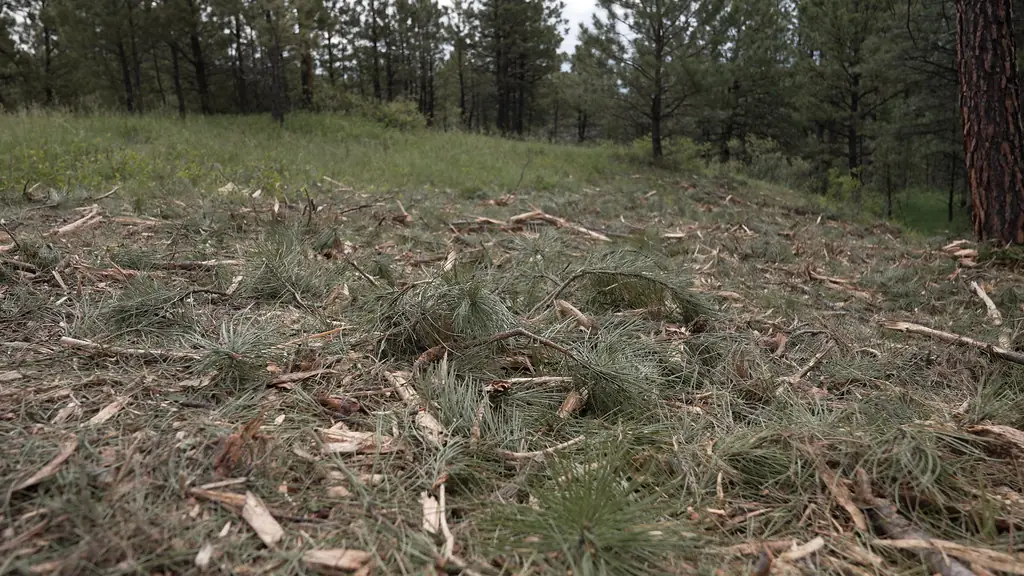
The better method is the one that fits the vegetation, the next use, and the condition expected at handoff.
Two services, not two names for the same work
Ground Force Land Solutions lists forestry mulching and conventional land clearing as separate services. Forestry mulching is presented for brush, saplings, undergrowth, and unwanted vegetation that can be processed into organic material on site. Conventional land clearing may be considered when timber, stumps, vegetation, or the requested finish calls for another approach.
That distinction should be made before anyone prices the project. Ask what the ground should support afterward. A maintainable trail, opened fence line, reclaimed acreage, future building area, and graded access route do not necessarily need the same treatment. Starting with the handoff condition makes the clearing conversation more useful.
When mulching may fit the goal
Mulching may fit areas where the owner wants to reduce brush, saplings, or undergrowth and keep the processed organic material on the ground. Forestry mulching is suited to wooded, overgrown, and neglected acreage. It also names field edges, fence lines, trails, and areas that have become too thick, rough, or inaccessible to maintain.
Owners should still define limits. Mark the work boundary and anything that must remain. Explain whether the area needs to be walkable, maintainable, visible, or ready for a later phase. Mulching should not be described as grading, stump removal, or a finished construction surface unless those tasks are separately included.
When conventional clearing may fit
Conventional clearing may fit when the project involves timber, stumps, or a finish that cannot be achieved by processing selected vegetation in place. For Ground Force, conventional land clearing is a separate service from forestry mulching.
The material-handling plan matters. Ask what is expected to remain, be processed, be moved, or be addressed in another phase. Access, nearby structures, boundaries, terrain, utilities, and septic components also shape the approach. If grading, drainage, excavation, or homesite preparation follows, the clearing scope should support that next phase without pretending to replace it.
Compare scopes, not just prices
Two estimates can carry different prices because they promise different results. One may address vegetation only. Another may include conventional clearing, material handling, grading, drainage, or follow-up sitework. Before comparing totals, line up the work area, method, exclusions, owner responsibilities, and handoff condition.
Ground Force commonly uses a six- to eight-hour minimum in the $1,800 to $2,500 range and a 50% deposit. That range does not turn every acre or every clearing method into the same price. Density, terrain, access, travel, material handling, and requested finish still need to be evaluated.
Prepare the property information
Bring the property location, approximate work area, access details, photos if available, current vegetation, terrain concerns, and intended use. Identify known boundaries, private utilities, septic components, drainage features, structures, gates, fences, and items that must remain. If another contractor will work afterward, share the expected sequence.
A clear request might say: open this marked fence line and leave processed material on site; clear this marked lot before grading; or reclaim this overgrown section so it can be maintained again. Specific outcomes make it easier to determine whether forestry mulching, conventional land clearing, or a combined plan deserves a closer look.
Avoid labels that hide the actual scope. A service label is only useful when it matches the written task. “Land clearing” can be used casually to describe many outcomes, but Ground Force Land Solutions confirmed that its conventional clearing service is distinct from forestry mulching. Ask the proposal to use the same distinction. If a section will be mulched and another conventionally cleared, identify both areas and methods.
Also avoid treating material handling as an afterthought. Organic material left after mulching, timber or stumps addressed during conventional clearing, and soil shaped during grading are different parts of the handoff. The owner should know what remains and where. This detail helps prevent a price comparison between scopes that only sound alike. It also gives any later contractor a clearer starting point.
Request the method that fits the next use
Ground Force Land Solutions serves Southern Ohio and Appalachia from Loveland. Property owners can call (513) 993-6088 to describe the land and request a site-specific estimate. The conversation should result in a written scope, not a generic promise.
Confirm the method, work boundary, material handling, any follow-up grading or drainage, owner responsibilities, payment schedule, and handoff condition before approving work. The goal is not to pick the most impressive service name. It is to choose a practical sequence for what the property needs to become next.
What does your property need to become?
Call (513) 993-6088 with the location, current conditions, access, approximate work area, and intended use.
Request an Estimate